![UKTrust-col-rgb-315x70px[2]](https://uqtrust.org.uk/wp-content/uploads/UKTrust-col-rgb-315x70px2.png.webp "UKTrust-col-rgb-315x70px[2]")
Uncategorized
Building the team behind our Olympic champions

Professor Bruce Abernethy AM’s thought-leader piece on the 2032 Olympic and Paralympic Games ran op-ed in The Courier-Mail! Read the full article.
Read MoreUQ subjects rank in top 10 globally
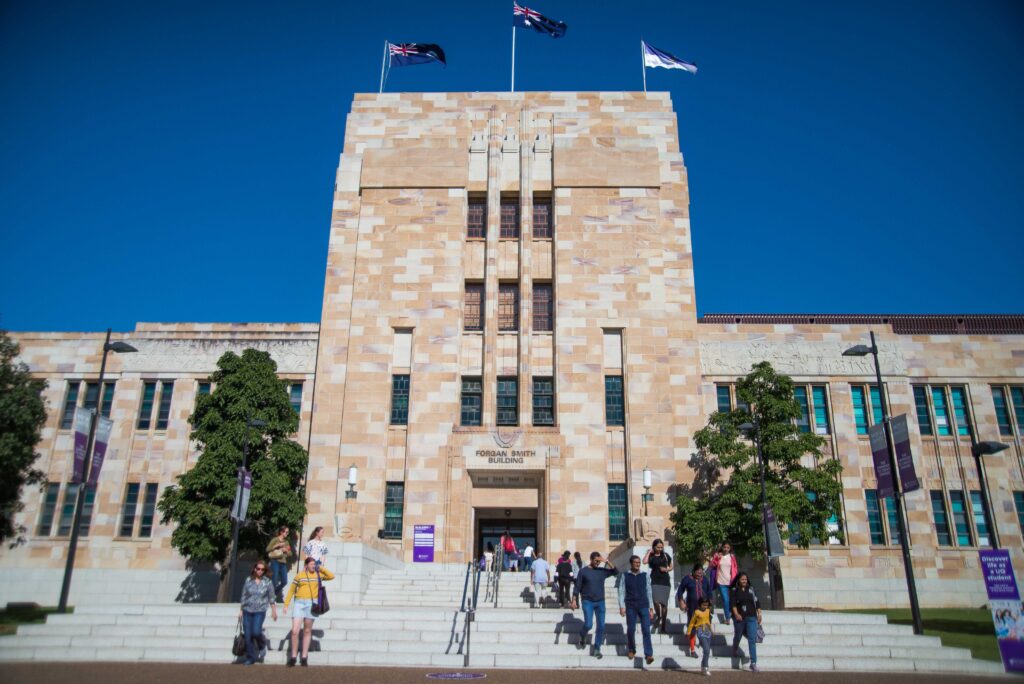
The University of Queensland has been named among the world’s best for the study of 51 subjects by global education analyst QS Quacquarelli Symonds – more than any other Queensland university. In the latest QS World University Rankings by Subject, UQ maintained its position as first nationally and 2nd globally for sports-related subjects for the…
Read MoreWhich nut butter is healthiest – peanut, almond or cashew?
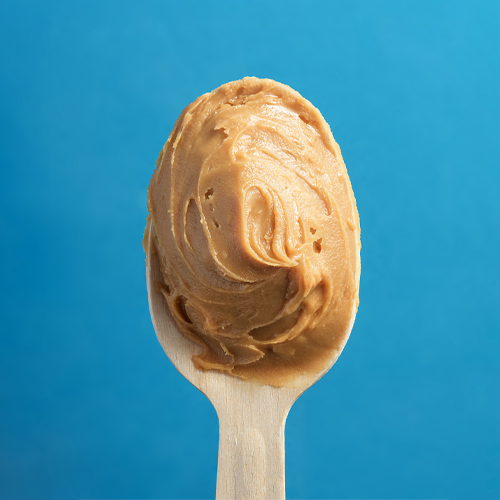
Once, the only nut butter on the supermarket shelf was peanut butter. Now you can also buy almond, cashew, hazelnut and macadamia nut butters, or blends. So which is the healthiest nut butter to spread on your toast? Read the article here.
Read MoreHuman trial finds ultrasound treatment for dementia is safe
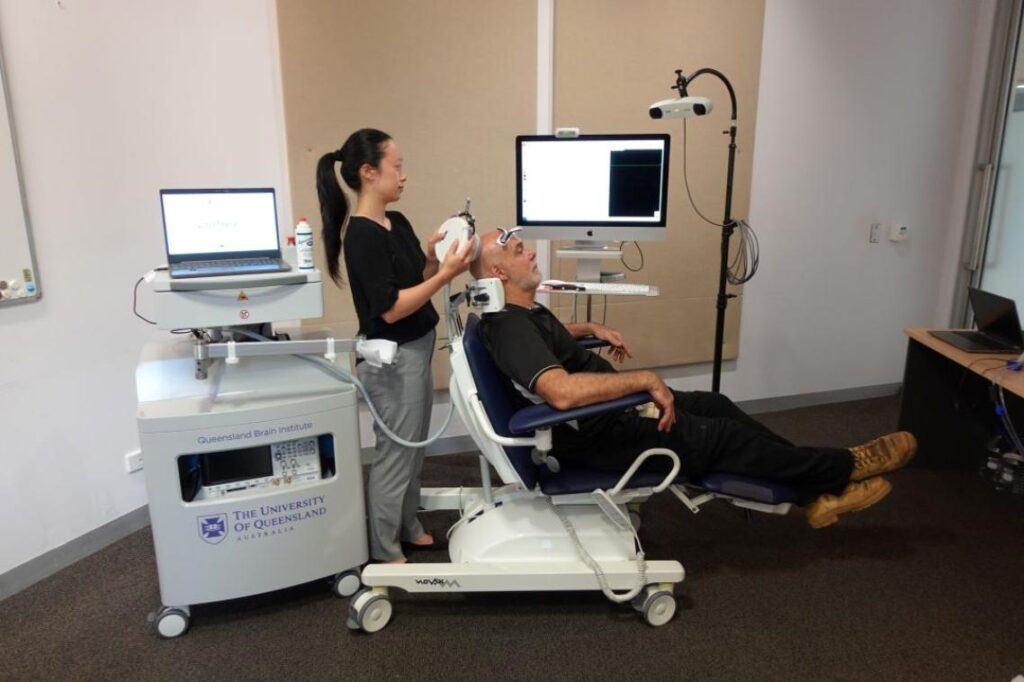
Scanning ultrasound to potentially treat Alzheimer’s disease has been found to be safe and well tolerated in a first-in-human pilot study conducted by University of Queensland researchers. Read the full article here.
Read MoreMargaret Valadian AO MBE: UQ’s final grotesque celebrates a true pioneer
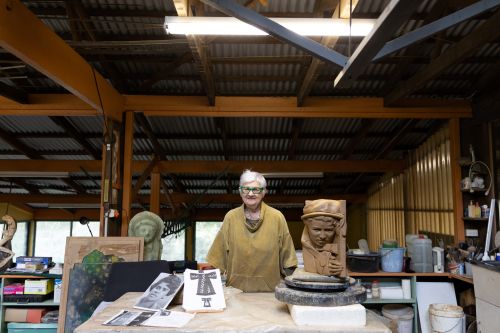
Aboriginal and Torres Strait Islander readers are advised that this article contains the name and image of a deceased person. The Great Court was originally built to house 50 ‘grotesque’ statues, but one space has remained vacant since 1993. Now, UQ is unveiling the 50th and final grotesque, and the subject is Margaret Valadian AO…
Read MoreHow to spot a deepfake video Your how-to guide for the Sora 2 era

OpenAI launched Sora, a groundbreaking app for AI-powered video generation. Think TikTok, but every clip is created by artificial intelligence (AI) – from Olympic gymnastics routines to backflips on a paddleboard. We asked Dr Priyanka Singh, UQ Lecturer in Cyber Security, to get us up to speed on this phenomenon and give us her practical…
Read More