
Uncategorized
TikTok’s troubling health bomb

TikTok exposes young people to videos that could reinforce a positive attitude towards vaping and e-cigarette usage, new University of Queensland research has found. Lead author from UQ’s National Centre for Youth Substance Use Research, PhD student Tianze Sun said the team analysed TikTok videos to understand how vaping and e-cigarette-related videos were portrayed. “Of the 808 videos…
Read MoreDiabetes research challenging but paramount
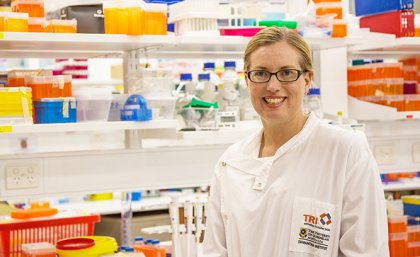
It’s hoped a dietary fibre supplement could one day help manage or prevent type 1 diabetes, with research at The University of Queensland set to progress to the next stage. UQ Diamantina Institute Associate Professor Emma Hamilton-Williams has used the advent of National Diabetes Week to discuss the importance and challenges of her current research. “Type 1 diabetes…
Read MoreStudents help homeless receive free vaccines
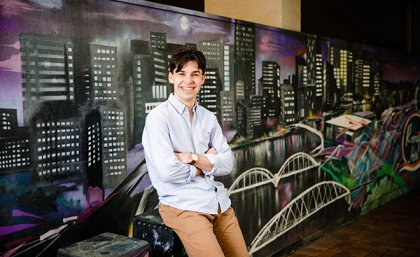
A student-led initiative to vaccinate homeless people for free has received an “overwhelming response”, according to its seven University of Queensland founders. The VacSeen Project, which partners with existing health services to cover the cost of flu vaccines for the homeless, was partly the brainchild of second-year UQ Medicine student and project president, Jeremy Hunt. “In a nutshell,…
Read MoreNon-invasive potential treatment for Alzheimer’s disease

Ultrasound can overcome some of the detrimental effects of ageing and dementia without the need to cross the blood-brain barrier, researchers at The University of Queensland have found. Professor Jürgen Götz from UQ’s Queensland Brain Institute (QBI) led a multidisciplinary team who showed low-intensity ultrasound effectively restored cognition without opening the barrier in mice models. The findings provide a potential new avenue…
Read MoreAustralian researchers create quantum microscope that can see the impossible
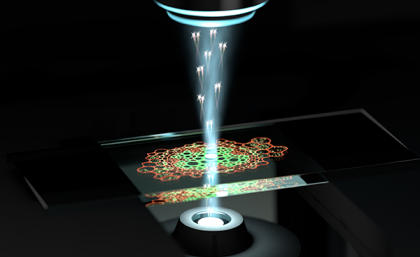
In a major scientific leap, University of Queensland researchers have created a quantum microscope that can reveal biological structures that would otherwise be impossible to see. This paves the way for applications in biotechnology, and could extend far beyond this into areas ranging from navigation to medical imaging. The microscope is powered by the science…
Read MoreEarly research suggests climate change could lead to more stillbirths

Scientists are investigating whether rising global temperatures may lead to more stillbirths, saying further study is needed on the subject as climates change. Researchers from The University of Queensland’s School of Earth and Environmental Science and the Mater Research Institute reviewed 12 studies, finding extreme ambient temperature exposures throughout pregnancy appeared to increase risk of stillbirth, particularly late in…
Read More